
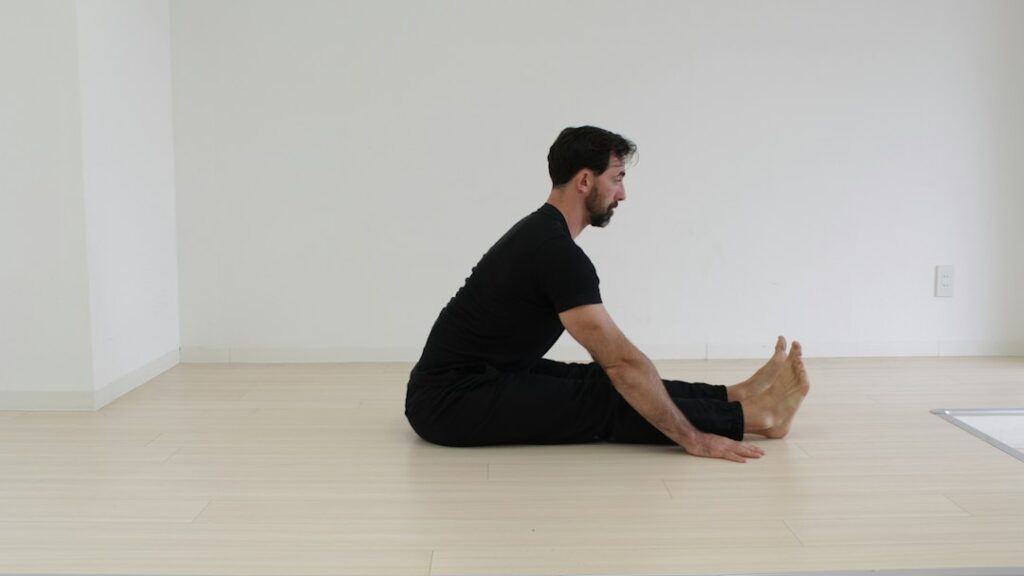
Mobility is the ability to move a joint or body region comfortably and with control. It is different from simply being flexible: useful mobility also depends on strength, balance, coordination, and confidence during everyday movements.
For residents of Clarence, NY, a short home routine can be especially helpful during long indoor stretches, after extended sitting, or when cold weather reduces outdoor activity. The exercises below require no special equipment and can be adjusted for different fitness levels.
What can simple mobility exercises help with?
Gentle mobility exercises can make common movements feel more manageable, such as turning the head, reaching overhead, getting up from a chair, climbing stairs, or stepping over uneven ground.
They may also help reduce stiffness associated with prolonged sitting or inactivity. Mobility work does not replace strength training, walking, or medical care, but it can be a useful part of a broader movement routine.
The goal is not to force a joint into its maximum range. The goal is to practice smooth, comfortable movement while maintaining steady breathing and good control.
How should a person prepare before exercising?
Begin with five minutes of easy movement rather than stretching cold muscles. Walking around the house, marching gently in place, or moving the arms through a comfortable range can help the body transition from rest to activity.
Choose a clear, well-lit area with stable flooring. During winter, avoid exercising near wet entryways, loose rugs, or areas where tracked-in snow and ice could create a slipping hazard.
A sturdy countertop or heavy chair may be used for balance. Do not rely on a lightweight chair that could slide or tip.
Which exercises are useful for the neck and upper back?
These movements are appropriate for people who spend time at a desk, drive frequently, or perform seated tasks.
Comfortable neck turns
Sit or stand tall with the shoulders relaxed.
- Slowly turn the head to the right until a mild stretch is felt.
- Return to the center.
- Turn to the left.
- Repeat five times per side.
Keep the chin level. Avoid forcing the head backward or making large, fast circles. If turning the neck causes dizziness, stop the exercise.
Shoulder rolls
Raise the shoulders gently toward the ears, move them backward, and then lower them.
Repeat five to ten times, then reverse the direction. This simple movement can help loosen the shoulder girdle after reading, computer use, or other seated activities.
Upper-back rotation
Sit near the front of a chair with both feet on the floor. Cross the arms over the chest or place the hands lightly on the shoulders.
Turn the chest slowly to one side without lifting the hips. Return to the middle and repeat on the other side. Perform five repetitions per side.
The movement should come from the upper back rather than from twisting forcefully through the lower spine.
How can someone improve hip and lower-body mobility?
Hip and leg mobility affect walking, stair use, getting in and out of a vehicle, and rising from a chair. These exercises should be performed slowly, especially if balance feels uncertain.
Seated knee lifts
Sit upright with both feet on the floor.
Lift one knee a few inches, lower it, and then lift the other knee. Continue for 10 alternating repetitions.
Keep the torso as steady as possible. This exercise gently moves the hips while also encouraging control through the abdominal and leg muscles.
Supported hip extension
Stand behind a sturdy chair and hold the back lightly.
Move one leg straight behind the body without leaning forward. Return the foot to the floor and switch sides. Complete five to ten repetitions per leg.
The range can be small. Avoid arching the lower back or swinging the leg.
Sit-to-stand practice
Use a firm chair positioned against a wall if needed.
- Place the feet about hip-width apart.
- Lean the chest slightly forward.
- Stand using the legs rather than pulling on the chair.
- Lower back down with control.
Start with three to five repetitions. If standing is difficult, use a higher seat or place a firm cushion on the chair. If the knees hurt, reduce the depth and focus on smooth movement.
What gentle exercises can help the ankles and balance?
Ankle movement is easy to overlook, yet it contributes to walking comfort and stability on uneven or changing surfaces.
Ankle pumps and circles

While seated, extend one leg slightly and move the foot up and down 10 times. Then make five slow circles in each direction.
Repeat with the other ankle. Keep the motion controlled rather than forcing the foot into a large circle.
Supported weight shifts
Stand near a counter or sturdy chair with the feet comfortably apart. Shift the body weight toward the right foot, return to center, and then shift toward the left.
Repeat five to ten times. As confidence improves, try shifting slightly forward and backward while keeping at least one hand close to support.
Balance work should not be performed on an icy walkway, soft mattress, or unstable surface. Indoor practice is usually safer during slippery conditions.
How often should mobility exercises be done?
A short routine performed regularly is generally more practical than an occasional long session. Many people can begin with five to ten minutes once a day or several times per week.
Mobility exercises may fit naturally into daily habits:
- After sitting for 30 to 60 minutes
- Before household chores
- After waking up, once the body has warmed gently
- Before walking outdoors
- During indoor activity periods in colder weather
Movement should feel mild to moderate. A gentle pulling sensation may be acceptable during a stretch, but sharp pain, burning, numbness, or electric-like symptoms are not normal exercise sensations.
What common mistakes should be avoided?
Trying to move farther is not always better. Several habits can make mobility work less useful or less safe:
- Bouncing or jerking into a stretch
- Holding the breath
- Comparing one side directly with the other
- Exercising through sharp pain
- Using furniture that is light or unstable
- Performing balance exercises when fatigued
- Expecting mobility work alone to correct every source of back, neck, or joint discomfort
It is normal for one side to feel somewhat different from the other. The aim is gradual, comfortable progress rather than perfect symmetry.
When should a person seek medical guidance?
Stop exercising and seek prompt medical evaluation for chest pain, severe shortness of breath, fainting, sudden weakness, new loss of coordination, or sudden trouble speaking.
Medical guidance is also appropriate for persistent or worsening pain, a recent fall or injury, unexplained swelling, significant numbness, or symptoms that travel into an arm or leg. People with major balance problems, recent surgery, known heart disease, osteoporosis, or other chronic conditions may need an individualized activity plan.
For most people, a careful home routine is a way to maintain movement—not a test of endurance. Consistent, controlled practice can support everyday activities while leaving room to adjust for symptoms, energy levels, and seasonal conditions in the community.
