
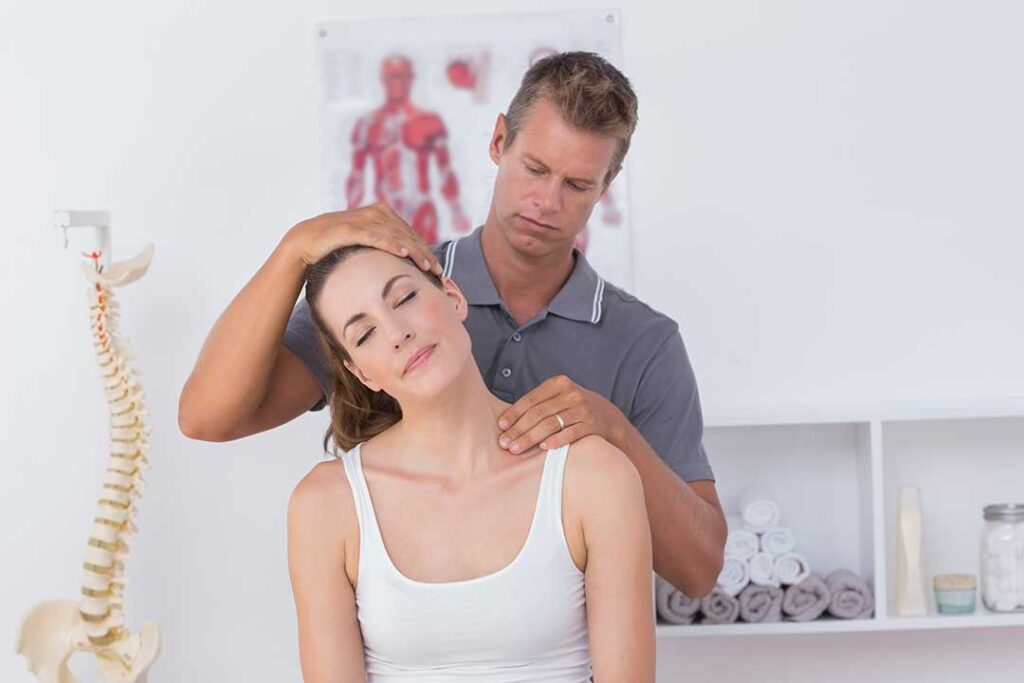
How Might Chiropractic Care Help with Arthritis Symptoms?
Chiropractic care can play a supportive role for residents dealing with arthritis by focusing on joint mobility, posture, and pain management. In Clarence, NY, many people cope with arthritis symptoms that are affected by climate changes and household activity patterns. Chiropractors typically work with patients to encourage gentle movement, reduce stiffness, and support overall joint function.
Unlike direct medical treatment or prescriptions, chiropractic approaches emphasize hands-on spinal adjustments and lifestyle advice. Such care does not reverse arthritis but may help reduce discomfort and improve quality of life when used alongside other management strategies.
What Are Common Misconceptions About Chiropractic and Arthritis?
Some believe chiropractic adjustments are too forceful or unsafe for arthritic joints. In reality, chiropractors adapt techniques specifically for those with arthritis, using gentle mobilizations or low-force adjustments rather than aggressive manipulations. Local residents with advanced or severe arthritis are often surprised at how techniques can be modified to their comfort level.
Another misconception is that chiropractic is a substitute for other forms of arthritis management. In practice, it is used as a complementary approach. This means it works alongside exercise, medications, and daily self-care routines recommended by primary healthcare providers.
Which Home Care Strategies Can Support Chiropractic Goals?
Simple habits can reinforce the benefits of chiropractic visits and help manage day-to-day discomfort. In a climate like Clarence, where winters are cold and households may spend more time indoors, flexibility routines become especially important.
- Gentle Movement: Regular, low-impact movement helps reduce joint stiffness. This might include walks through local parks when weather allows, or chair-based exercises at home during icy months.
- Heat Application: Warm compresses or heating pads can help relax muscles and ease morning joint pain. Many area homes use electric blankets or warm baths, especially during colder seasons.
- Joint Protection: Using supportive shoes when doing household chores or yardwork can take strain off the lower limbs, especially given the varied terrain and changing outdoor conditions.
- Posture Awareness: Poor posture from frequent smartphone or computer use can worsen joint strain. Residents are encouraged to adjust workstations or use ergonomic chairs for tasks that require sitting.
How Can Lifestyle Changes in the Clarence Area Make a Difference?
The daily rhythm in this region often involves caring for homes, tending to gardens in summer, or shoveling snow in winter. Adjusting activities to match individual comfort levels can prevent symptom flare-ups.
- Plan yardwork for cooler hours or in smaller bursts rather than prolonged sessions.
- Use adaptive tools for home maintenance, such as ergonomic gardening tools or snow shovels with bent handles.
- During winter, take breaks when working outside and stay inside on particularly cold, damp days to minimize joint stiffness.
- Rely on local resources, such as indoor walking tracks at community centers, to stay active when outdoor conditions are tough.
Are There Specific Tips for Older Adults Managing Arthritis in the Community?
Arthritis becomes more common with age, and many Clarence residents live in single-family homes that may involve stairs and outdoor upkeep. Prioritizing joint health means adapting daily routines:
- Install handrails on stairs and near bathtubs for stability.
- Choose supportive mattresses and chairs to reduce overnight and morning stiffness.
- Avoid sitting in the same position for long periods—standing and moving every 30-45 minutes when reading or watching television is helpful.
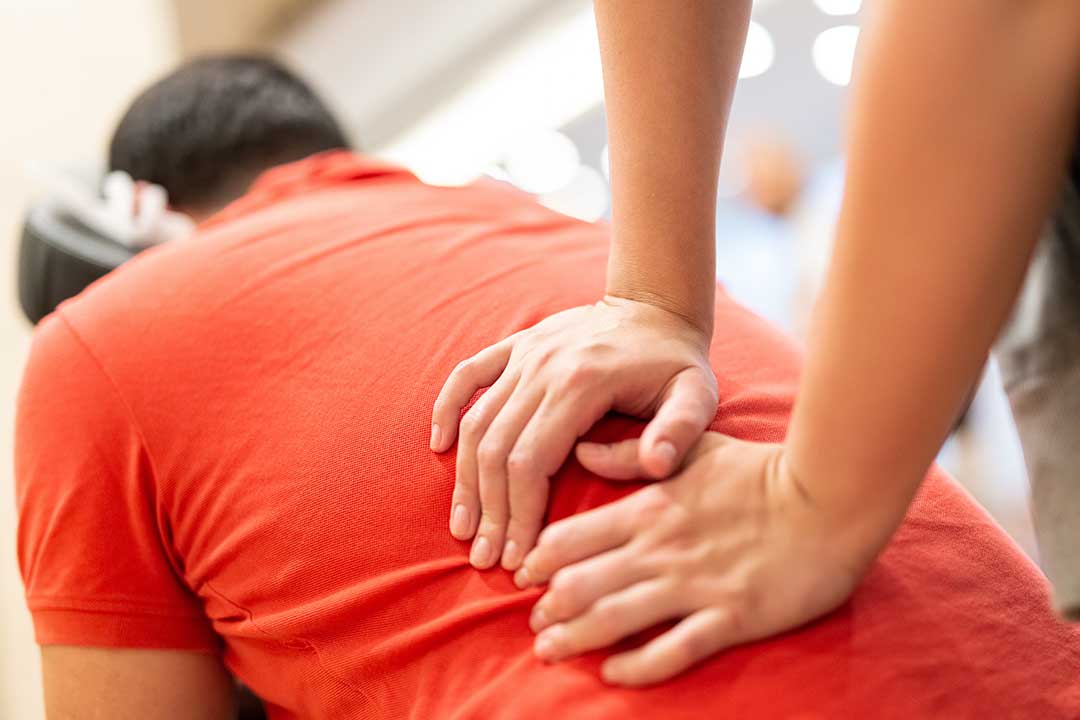
Chiropractors may recommend supervised mobility drills or stretches tailored to each individual's mobility and any physical limitations.
What Role Does Nutrition and Hydration Play Locally?
Diet and hydration can have a subtle but meaningful impact on how joints feel. While chiropractic care focuses on the musculoskeletal system, local practitioners often remind residents that what they eat and drink matters for overall joint function.
- Drink water regularly—home heating in winter can dehydrate the body and make tissues feel stiffer.
- Incorporate anti-inflammatory foods like leafy greens, berries, and fatty fish when possible.
- Consider practical options for meal prep, such as slow-cooker recipes, to limit the need for repetitive kitchen tasks that can aggravate hand joints.
When Should Residents Seek Additional Help for Arthritis Symptoms?
Most mild to moderate arthritis can be self-managed with support and lifestyle changes, but certain symptoms should prompt a medical evaluation. Residents are encouraged to reach out to their healthcare provider if they notice:
- Sudden, severe joint swelling or redness
- Fever associated with joint pain
- Rapidly worsening mobility or new functional limitations
- Unexplained weight loss or extreme fatigue
Chiropractic care, while beneficial, is not a substitute for medical management in emergency or rapidly changing situations.
