

What Is Whiplash and Why Does It Happen?
Whiplash is a soft tissue injury to the neck, most often caused by sudden, forceful back-and-forth movement of the head, like the cracking of a whip. In Clarence, NY, car accidents—especially rear-end collisions on both busy roads and quieter neighborhood streets—are a common source. Whiplash can also result from sports injuries, slips on icy sidewalks during winter, or even unexpected jolts from everyday mishaps.
The most typical symptoms include:
- Neck pain and stiffness
- Headaches, often starting at the base of the skull
- Dizziness or blurred vision
- Reduced range of neck motion
- Shoulder pain or tenderness
Symptoms may take hours or even a day to appear after an incident, leading some local residents to delay seeking care or not recognize the link at first.
What Should I Do Right After Suspecting Whiplash?
If you suspect you have whiplash, the first steps are to ensure safety, reduce discomfort, and avoid aggravating the injury. Local households often find ice packs the most accessible initial tool—especially in colder seasons when incidental falls or fender-benders increase.
Start by:
- Resting the neck and avoiding movements that trigger pain
- Applying a cold pack or ice wrapped in a cloth for 15–20 minutes, a few times a day for the first 48–72 hours
- Using over-the-counter pain relief medication as directed, if needed
It's not unusual for residents to try "toughing it out," but ignoring moderate or worsening symptoms can lead to slower recovery or chronic pain. Anyone experiencing numbness, tingling, coordination problems, or severe pain should seek prompt medical attention.
How Serious Is Whiplash and When Should I Worry?
Most whiplash cases in the city heal within a few weeks. However, the intensity varies significantly. While some people experience only minor discomfort, others may struggle with persistent symptoms that interfere with daily life—from shoveling snow in winter to driving or working at a desk.
Concern is warranted if you notice:
- Severe or increasing pain
- Weakness, numbness, or tingling in arms or hands
- Problems balancing or walking
- Headaches that persist or worsen
- Difficulty swallowing or speaking
Such symptoms can suggest a more significant injury, such as nerve involvement or a spinal issue, and require medical assessment.
What Are Safe Ways to Manage Whiplash at Home?
Supporting your own recovery is possible when symptoms are manageable and no concerning signs are present. In the weeks after injury, Clarence area residents should focus on gentle activity, comfort, and gradual return to normal routines.
Strategies include:
- Alternating between rest and gentle neck movements to prevent stiffness
- Using a supportive pillow and sleeping on your back or side (not stomach)
- Short walks or light movement to keep circulation healthy
- Applying heat after the first 2–3 days to relax muscles
- Maintaining good posture, especially when working from home or sitting at a computer
Overusing neck braces or collars, which were once commonly recommended, can actually slow healing. Evidence increasingly supports remaining as active as comfort allows, within a person's daily limits.
Can Local Climate or Lifestyle Make Whiplash Recovery Different Here?
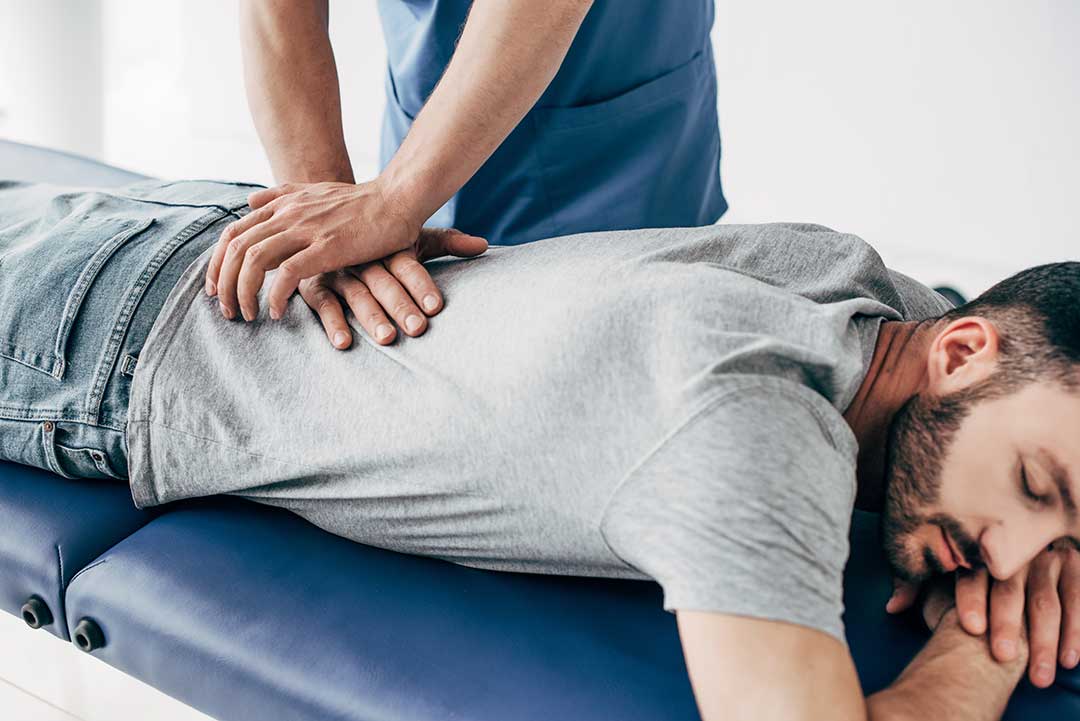
Clarence, with its mix of seasonal weather, presents unique challenges. Wintery conditions lead to more slip-and-fall injuries and can increase muscular tension due to bracing against the cold or shoveling. Meanwhile, residents with longer commutes or those working remotely may stay more sedentary, further stressing recovering muscles.
Prioritize:
- Taking breaks from screen time to gently stretch your neck and shoulders
- Safeguarding driveways and walkways against ice to avoid aggravating symptoms with a new fall
- Dressing warmly to minimize muscle tightness
Many residents mistakenly believe complete bed rest is best—when, in fact, movement within pain limits helps restore neck function and prevent chronic issues.
Are There Specific Exercises That Help?
Gentle mobility exercises, once acute pain subsides, support gradual healing and help prevent future problems. Always begin slowly and stop any movement that dramatically worsens pain.
Simple starting exercises:
- Slowly turn your head left and right, as much as comfort allows
- Nod up and down, within a pain-free range
- Shoulder rolls to ease upper back and shoulder tension
These can be performed a few times daily, gradually increasing as comfort improves. Local residents who enjoy indoor fitness or yoga can integrate gentle stretches, mindful of not overstressing the neck.
How Long Will It Take to Recover?
Whiplash heals at different rates, influenced by severity, age, fitness, and consistent home care. Many in Clarence recover within 2–4 weeks, but persistent symptoms extending beyond that should not be dismissed. Early, gentle movement, ergonomic adjustments at home and work, and avoiding unnecessary strain help promote a smooth recovery.
In rare cases, symptoms can persist or recur with certain activities. Staying attuned to your body’s signals and pacing activity remains key.
Should I Seek Help If Symptoms Don’t Improve?
While most people manage mild whiplash at home, care from a qualified healthcare provider may be necessary if:
- Symptoms do not improve or interfere with essential tasks after a couple of weeks
- You notice new or severe neurological symptoms
- Pain worsens with home strategies
A healthcare professional may suggest further assessment, therapy, or imaging if needed, aiming to support safe, complete recovery.
