
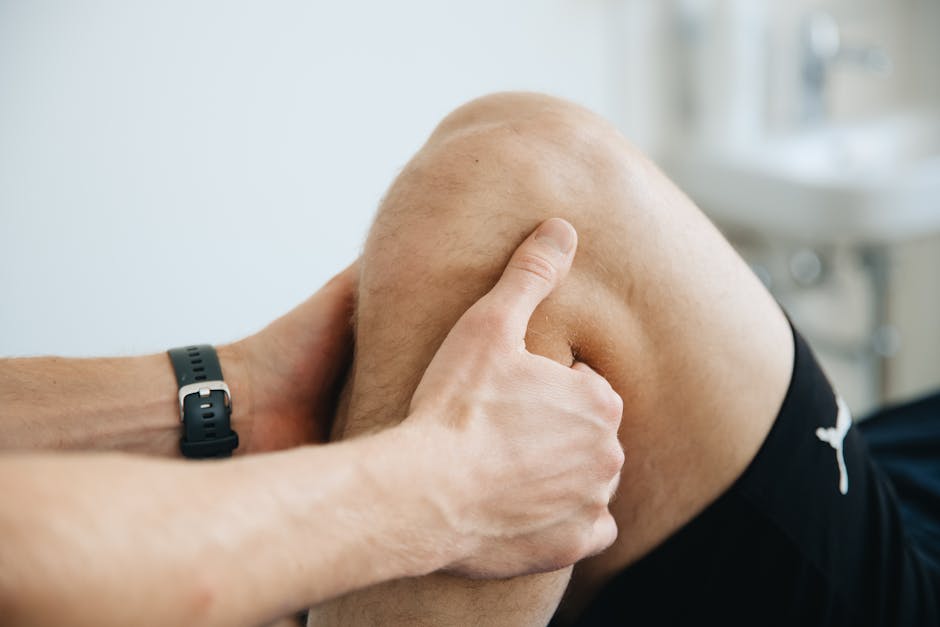
Knee pain is a common issue that impacts many people living in Clarence, New York, especially given the area’s active population, seasonal activities, and variable climate. Whether you enjoy hiking through local parks, gardening in your backyard, or participating in community sports leagues, knee discomfort can seriously interfere with your lifestyle. Fortunately, there are numerous methods to alleviate knee pain without relying on medications—and many can be integrated easily into your daily routine.
Understanding Why Non-Medication Approaches Matter
Medications can provide short-term relief for knee pain, but they often come with side effects and do not address the underlying causes of discomfort. Focusing on natural solutions helps you build long-term resilience and maintain a more vibrant, active lifestyle in beautiful Clarence. Let’s explore a variety of drug-free strategies proven to help manage and alleviate knee pain.
1. Stay Active with Low-Impact Exercise
Living in Clarence, our community is lucky to have access to scenic walking paths, nearby nature preserves, and ample outdoor spaces. Taking advantage of these environments with gentle exercise is essential for knee health.
- Walking: Try to walk on flat, even surfaces—such as the trails at Clarence Pathways or the Clarence Town Park—to minimize joint stress.
- Swimming & Water Therapy: Use local pools for swimming or water aerobics, which reduce pressure on aching knees while providing a full-body workout.
- Cycling: Stationary biking at one of Clarence’s local gyms or on local bike trails keeps your knees moving without high impact.
- Stretching: Incorporate regular stretching to improve flexibility and reduce stiffness.
2. Weight Management and Nutrition
Many Clarence residents enjoy farm-fresh produce from seasonal farmers’ markets. A nutritious diet not only fuels your favorite activities—it also supports healthy joints by reducing inflammation and maintaining a healthy body weight.
- Eat Anti-Inflammatory Foods: Add more leafy greens, berries, and omega-3 rich fish to your plate.
- Maintain a Healthy Weight: Excess body weight increases stress on knee joints, especially when climbing stairs or walking on uneven terrain.
- Stay Hydrated: Proper hydration helps keep joint cartilage supple and supportive.
3. At-Home Chiropractic and Physical Therapy Techniques
Chiropractors in Clarence often teach patients simple exercises and stretches they can do at home to relieve knee pain and support joint alignment.
- Strengthening Exercises: Focus on strengthening the muscles around your knees, such as quadriceps and hamstrings. Wall sits, straight-leg raises, and gentle squats (without weights) are helpful.
- Foam Rolling and Self-Massage: Using a foam roller on your calves, thighs, and hips can ease tension that affects your knee alignment.
- Balance and Stability Drills: Use balance pads or perform stability exercises to improve overall knee function and prevent re-injury.
4. Ergonomic and Lifestyle Modifications
Small changes around your home or workplace can have a big impact on knee comfort, especially during long Clarence winters that encourage more indoor time.
- Support Your Knees: Wear supportive shoes, especially when walking on hard surfaces. Avoid high heels and unsupportive flats.
- Furniture Adjustments: Choose chairs with proper knee and back support. Consider using footstools to shift leg positions.
- Rethink Your Activities: Modify tasks that require kneeling or squatting by using knee pads or stools.
5. Cold and Heat Therapy
Seasonal temperature fluctuations in Western New York can inspire creative uses of cold and heat therapy:
- Cold Packs: Use cold packs to reduce swelling after activity. Simply wrap ice or a bag of frozen vegetables in a towel and apply for 10-15 minutes.
- Heat Pads: A warm compress or heating pad soothes stiff joints before exercise or when waking up after a chilly night.
- Contrast Therapy: Alternate between cold and heat to stimulate circulation and speed up the healing process.
6. Mind-Body Approaches
Chronic pain can sometimes make it harder to participate in community events or enjoy Clarence’s seasonal celebrations. Mind-body techniques reduce tension and help reframe your relationship with pain.
- Breathing Exercises and Meditation: Deep breathing and guided imagery reduce stress and can diminish pain sensitivity.
- Yoga and Tai Chi: These gentle practices improve balance and flexibility while promoting relaxation.
7. When to Seek Professional Help
Sometimes, self-care measures may not be enough. See a local Clarence chiropractor or physical therapist if:
- Your knee pain is persistent, severe, or worsens with activity.
- You experience signs of infection (redness, swelling, warmth) or a traumatic injury (inability to bear weight).
- You have significant limitations in mobility or function.
A healthcare professional can tailor a treatment program, provide manual therapies, and recommend further diagnostics as needed.
Embracing an Active Life in Clarence
Living in Clarence, NY means access to both natural landscapes and community resources that support a healthy, active lifestyle. By integrating these non-medication methods into your routine, you can keep knee pain at bay and continue enjoying everything Western New York has to offer—from crisp fall festivals to leisurely strolls around Clarence Center.
Remember, persistence and patience are key. Consistent care for your knees, combined with regular check-ins with a chiropractor or wellness provider, can help you remain pain-free and active for years to come.
If you have specific questions or need guidance adapting these strategies to your individual needs, don’t hesitate to consult with a Clarence health professional who understands your local lifestyle and activities.
