
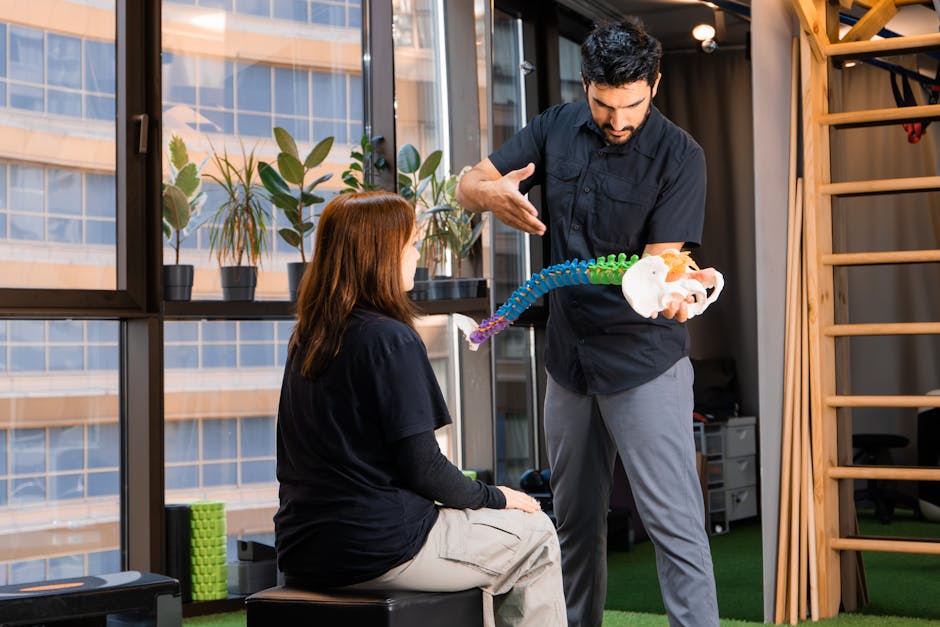
Living with chronic pain can make even simple daily activities feel overwhelming. For residents of Clarence, NY—a community that values active living amidst scenic parks, seasonal recreation, and close-knit neighborhoods—chronic pain can disrupt cherished routines and limit participation in what makes Clarence such a special place to call home. Whether you’re seeking ways to better manage back pain, joint discomfort, or persistent headaches, practicing self-care can be an important complement to professional treatment and help improve your quality of life.
In this article, we’ll explore practical, evidence-based self-care tips for chronic pain management, tailored to the Clarence, NY lifestyle.
Understanding Chronic Pain and Self-Care
Chronic pain is defined as pain lasting longer than three months. It might stem from arthritis, injuries, nerve conditions, or even postural problems aggravated by desk jobs or long commutes along Transit Road. Effective management usually combines medical treatment, physical therapy, and—especially—self-care strategies that patients can maintain in their everyday routines.
Self-care doesn’t just mean relaxation; it refers to intentional actions you can take to support your own mental and physical health. For many Clarence residents, small daily choices can make a big difference over time.
Staying Active with Thoughtful Movement
Clarence is home to lovely outdoor spaces like Clarence Town Park and the Peanut Line Trail, offering excellent opportunities for gentle, pain-friendly exercise. While it can feel counterintuitive to stay active when you’re in pain, research shows that movement improves mood, enhances flexibility, and reduces the severity of many types of chronic discomfort.
- Walking: Try short walks at Meadowlakes Park or around your neighborhood, adjusting your pace to match your energy for the day.
- Stretching and Flexibility: Gentle yoga or stretching routines—perhaps in your backyard or at local studios—help reduce stiffness without putting excess strain on your body.
- Low-impact Activities: Swimming at the Clarence Town Pool or cycling on local trails offers cardiovascular benefits with minimal joint stress.
Always consult with a chiropractor, physical therapist, or healthcare provider before increasing your activity level, especially if you experience new or changing pain.
Managing Stress: The Mind-Body Connection
Chronic pain can stress both the body and the mind. Stress, in turn, can heighten pain sensitivity. Clarence residents are no strangers to busy schedules—whether it’s balancing family, work, and community involvement. Incorporating stress management techniques into your daily life can help break this cycle.
- Mindfulness and Meditation: Practices that focus on the present moment have been shown to lower pain intensity and emotional distress. Consider enjoying a guided meditation session in the quiet of your home or at local wellness centers.
- Deep Breathing: Slow, controlled breathing activates your parasympathetic nervous system, encouraging pain relief and mental relaxation.
- Nature Time: Spending time outdoors, whether gardening at home or taking in the scenery at the Clarence Bike Path, has restorative effects on both physical and emotional well-being.
Healthy Sleep Habits
Sleep is essential for your body to heal and reset. Chronic pain and poor sleep often go hand in hand, so optimizing your sleep routine can become a powerful form of self-care.
- Consistent Sleep Schedule: Go to bed and wake up at the same time every day—even weekends—so your body gets into a healthy rhythm.
- Optimize Your Environment: Make your bedroom a quiet, cool, dark space. Consider white noise machines if Route 5 traffic or neighborhood activities keep you up.
- Nighttime Wind-Down Routine: Dim the lights, put away screens, and relax with a book or stretching session before bed.
If chronic pain is making sleep difficult, talk to your provider about targeted strategies for relief.
Nutrition as a Foundation
A well-balanced diet plays a key role in managing chronic pain and reducing inflammation. Fortunately, Clarence boasts access to local farmers’ markets and fresh produce, making it easier to incorporate healthy eating habits.
- Anti-Inflammatory Foods: Colorful fruits and vegetables, omega-3-rich fish, nuts, and whole grains may ease inflammatory pain.
- Stay Hydrated: Drink plenty of water to keep joints lubricated and tissues healthy.
- Limit Processed Foods: Reduce sugar, highly processed snacks, and excessive caffeine, which can worsen inflammation and disrupt sleep.
Meal planning and preparation, possibly with help from family or local services, can make it easier to maintain these habits.
Creating a Support System
Talking openly about your pain and self-care journey reduces isolation and can help you receive encouragement from friends, family, and neighbors—something the Clarence community is known for.
- Join Support Groups: Seek out local or online groups for people living with chronic pain.
- Ask for Help: Reach out to family members when you need assistance with groceries, transportation, or other daily tasks.
- Engage Your Healthcare Team: Keep your doctor, chiropractor, and other providers informed about your self-care efforts so they can help guide your continued progress.
When to Seek Professional Help
While self-care is empowering, it’s important to know when to reach out for professional evaluation. If you notice new symptoms, escalating pain, or difficulties performing daily activities, contact a healthcare provider. Clarence is fortunate to have a variety of skilled experts including chiropractors, physical therapists, primary care physicians, and specialists.
Embracing Life in Clarence, NY—With Less Pain
By integrating movement, stress management, quality sleep, smart nutrition, and supportive relationships into your life, you can take meaningful steps toward reducing chronic pain—while still enjoying all that Clarence offers. Whether it’s a walk at Lapp Road Park, an afternoon with friends at a local café, or simply the satisfaction of participating in your everyday routine, self-care can help ensure that chronic pain doesn’t keep you on the sidelines.
Remember: The journey is unique for each person, and progress may be gradual. Celebrate each small victory and continue to seek the support you need along the way.
