
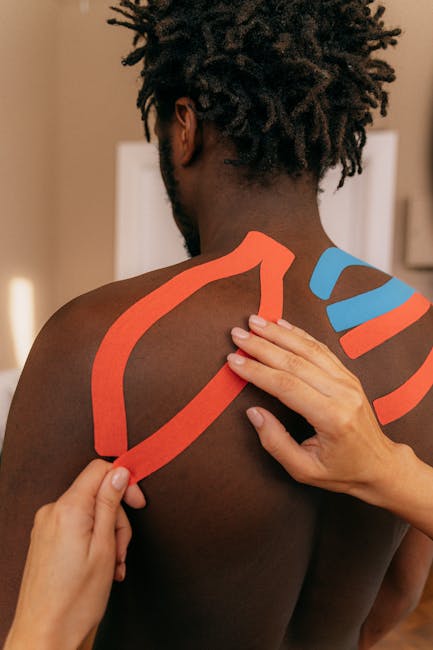
Living in Clarence, New York, with its scenic parks, active communities, and busy suburban pace, presents both opportunities and challenges for our spinal health. Whether you’re tending to your garden at home, enjoying a day at Clarence Town Park, or commuting to Buffalo for work, your daily movements can make you more or less likely to encounter a pinched nerve. Pinched nerves—when pressure on a nerve disrupts its function—can cause pain, numbness, or tingling that can seriously disrupt your activities. Fortunately, there are several practical ways Clarence residents can work to prevent pinched nerves and keep living life to the fullest.
What Is a Pinched Nerve?
A pinched nerve occurs when surrounding tissues—such as bones, cartilage, muscles, or tendons—put too much pressure on a nerve. This pressure can cause pain, numbness, tingling, or weakness in the affected area. Pinched nerves are commonly seen in the neck, lower back, wrist (carpal tunnel), and even elbows.
Common causes in Clarence include:
- Prolonged sitting or poor posture (common for commuters and office workers)
- Repetitive motions (gardening, sports, or factory work)
- Sudden injuries (slippery winter sidewalks, anyone?)
- Age-related spine changes
Why Clarence Residents Are at Risk
Our local lifestyle in Clarence often involves a unique blend of outdoor recreation and sedentary work. Winters can encourage more indoor, sedentary activity, while spring and summer bring a surge in gardening and sporting events. Both sudden increases in physical activity and long periods of inactivity can contribute to pinched nerves.
Tips to Prevent Pinched Nerves
Practice Good Posture
Spending hours working from home or commuting to Buffalo? Poor posture is a top contributor to nerve compression. Make a habit of:
- Sitting with your back straight, shoulders relaxed, and feet flat on the floor
- Adjusting your chair so your knees are level with your hips
- Taking regular stretch breaks every 30-60 minutes
- Using lumbar support if working at a desk
Stay Active, But Gradually
It’s tempting to jump into spring gardening or hit the Clarence bike paths at full speed when the weather improves. But overexerting after months of winter inactivity can trigger injuries.
- Warm up before any activity, especially gardening, raking, or sports
- Build intensity and duration gradually
- Stretch before and after exercise
- Focus on low-impact activities like walking the Clarence bike trails or swimming at the Town Pool
Strengthen Core Muscles
A strong core supports your spine and helps prevent nerve compression. Incorporate gentle core-strengthening exercises:
- Pelvic tilts
- Bridges
- Abdominal bracing
- Modified planks
These can be done at home, at your local gym, or even at the park. Consider joining a fitness class or working with a personal trainer at Clarence’s local fitness centers to stay accountable.
Smarten Your Home and Work Setup
If you're working from home, make sure your workspace is ergonomically sound:
- Keep your computer monitor at eye level
- Use a chair with good back support
- Keep frequently used items within easy reach
- Use hands-free devices for phone calls
Simple changes like these can prevent cumulative trauma to nerves in the neck, shoulders, and wrists.
Avoid Repetitive Strain
Clarence is known for its enthusiastic gardeners and woodworking hobbyists. While these activities improve well-being, repetitive motions can increase pinched nerve risk. To minimize that risk:
- Take frequent breaks to stretch
- Alternate tasks to avoid overusing any single muscle group
- Use ergonomic tools (thick handles, padded grips)
- Wear wrist braces for repetitive hand work
Maintain a Healthy Weight
Carrying extra weight, particularly around the abdomen, increases the strain on your lower back and can compress spinal nerves. Simple steps to help maintain or achieve a healthy weight include:
- Eating a balanced diet with fresh, local produce (try Clarence’s farmers' markets!)
- Staying active with local walking groups or fitness classes
- Monitoring portion sizes
Wear Proper Footwear
With many Clarence residents enjoying walks through local parks, investing in well-fitted, supportive shoes can mean the difference between healthy and strained nerves—especially for people with flat feet or previous injuries.
- Choose shoes with arch support and a good cushion
- Replace shoes regularly, especially if you notice wear
- Avoid high heels and unsupportive sandals during longer outings
Protect Yourself During Winter
Winter in Clarence brings icy sidewalks and slippery driveways, increasing fall risk—a leading cause of pinched nerves. Prevent injuries by:
- Wearing slip-resistant shoes or ice grips
- Shoveling snow carefully: bend at the knees, not the waist
- Clearing walkways and using salt or sand for traction
Listen to Your Body
Tingling, numbness, or weakness are early signs of nerve trouble. Don’t ignore these symptoms. Addressing them early can prevent long-term problems. See a medical professional or your chiropractitoner if symptoms last more than a few days.
When to Seek Help
Most preventative measures help reduce the risk for pinched nerves, but sometimes professional care is necessary. If you notice:
- Persistent pain, numbness, or weakness that doesn’t improve with rest
- Severe pain radiating down a limb
- Loss of bladder or bowel control
- Difficulty gripping objects
Seek immediate medical attention. Early intervention is key!
Embracing a Nerve-Friendly Lifestyle in Clarence
Clarence, New York offers residents a wonderful variety of opportunities to stay active and healthy year-round. Whether you’re hiking the trails at Tillman Road Wildlife Management Area, shopping at local markets, or joining a pick-up soccer game at the park, awareness and a few simple habits can go a long way to prevent pinched nerves.
Prevention is always easier than treatment. By building core strength, improving posture, staying active (but not overdoing it), and respecting your body’s signals, you can enjoy all that Clarence has to offer without the setback of nerve pain.
Take a proactive approach and make small changes today—they’ll pay off in comfort and mobility for years to come!